Institute for Human Development
Changing the way you experience the world
Access | Attitude | Inclusion
Our Work:
- Impacts people at all life stages – individually and socially
- Facilitates research to inform change that positively impacts individuals with disabilities
Vision: People with disabilities fully participate in all life experiences.
Mission: Promote full inclusion by advancing attitudes that value persons with disabilities while enhancing access to all aspects of the human experience.
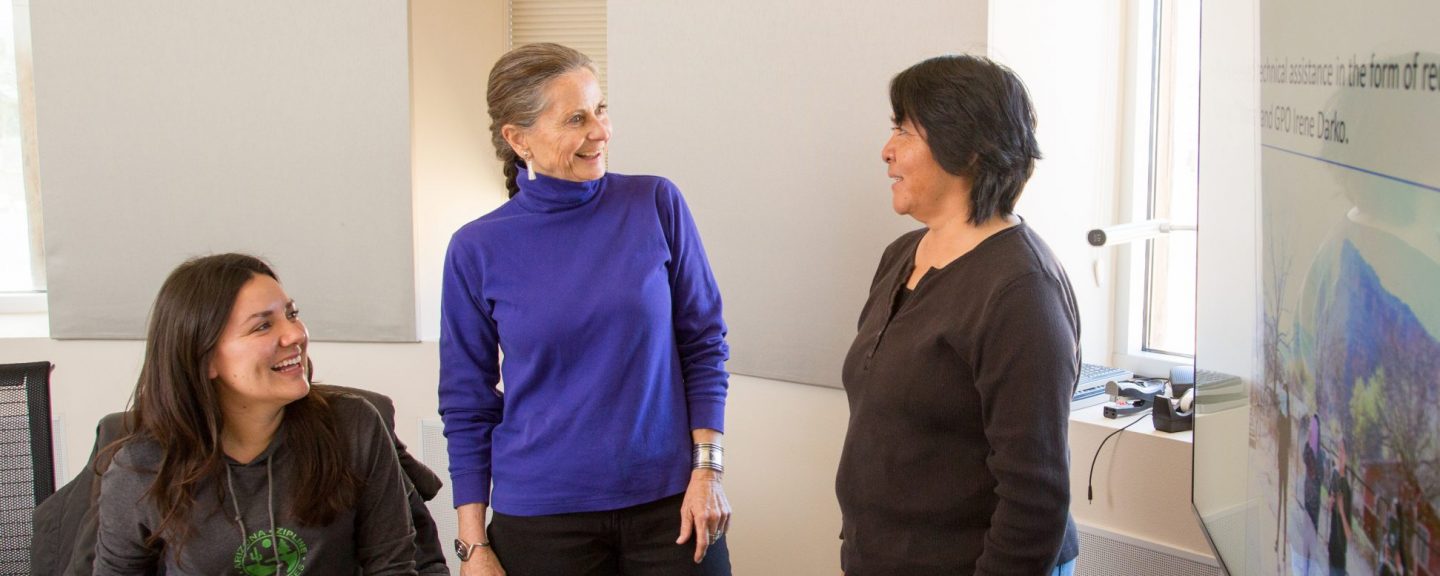
IHD fosters the development of attitudes that promote the increased inclusion of individuals with disabilities in their communities. Attitudes, as barriers to or facilitators of inclusion, go hand-in-hand with access. Access, commonly thought of as access to services and supports, has a much broader meaning: while services are essential for inclusion, access also refers to access to information, education, inclusive physical environments, community participation, friendships, and relationships. Conceptually, access and attitude have reciprocal roles in promoting or inhibiting inclusion.
Senator Tom Harkin
Explore our degrees
News and Articles of Interest
SAVE THE DATE!
June 3-4, 2024
Breaking Stigmas, Crafting Verses: A Disability Poetry Slam
Wednesday, April 17th, 6:30 pm – 8:30 pm
Native American Cultural Center – Gathering Room, Northern Arizona University, Flagstaff, AZ
Disability Resource Fair
October 5, 2024
High Country Conference Center, Flagstaff, AZ
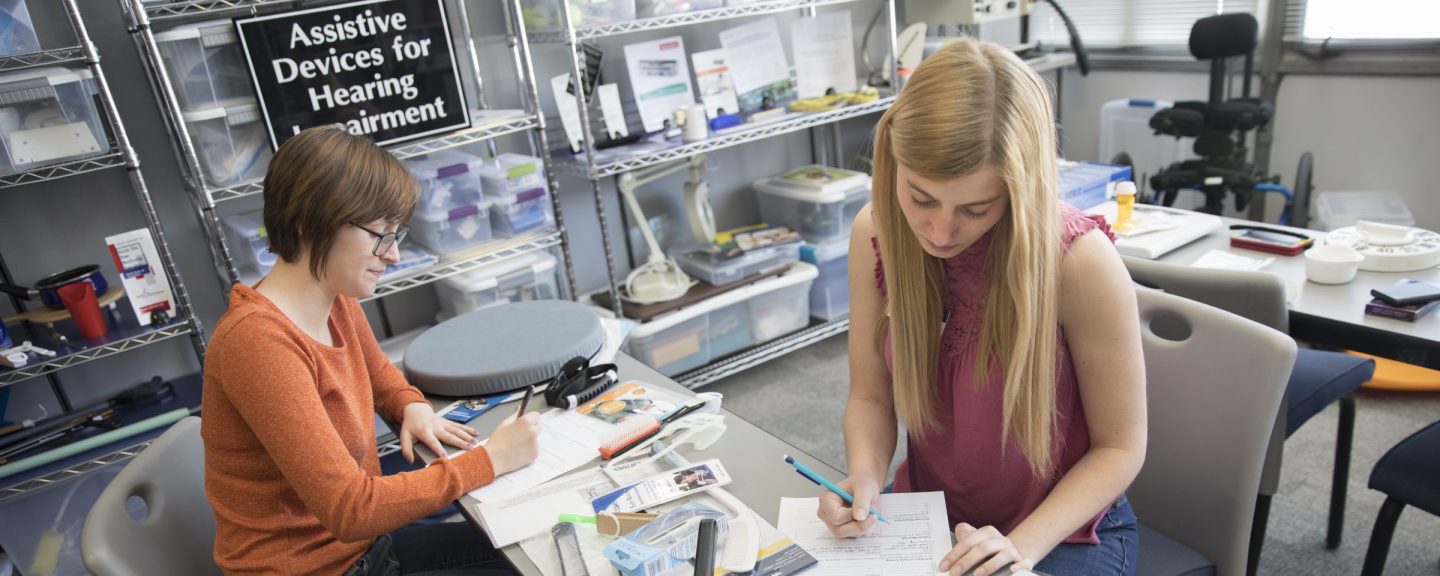
IHD’s Assistive Technology for Employment and Independence (ATEI) Program Providing Services Statewide
IHD’s Assistive Technology for Employment and Independence (ATEI) program provides assistive technology services to help Arizona’s vocational rehabilitation clients achieve their employment and independent living goals. After conducting two trial phases over the past year as well as hosting information and training sessions for vocational rehabilitation (VR) counselors, support staff, and assistive technology vendors, ATEI has now fully assumed responsibility for providing AT equipment and services to VR clients across the state!
Read Full “ATEI Program Providing Services Statewide” Article
IHD’s Interdisciplinary Evaluation Clinic Hits the Road
IHD’s Interdisciplinary Evaluation Clinic has been offering free comprehensive developmental evaluations and treatment recommendations to children and families throughout northern Arizona for over three decades.
Due to the rural nature of northern Arizona, many of the families who attend the clinic must travel long distances to Flagstaff, while also missing school and work obligations.
Now, thanks to a Mercy CARES Community Reinvestment Grant, IHD will be conducting two “mobile” clinics on the Navajo Nation for the first time since the program’s inception.
Read Full “Interdisciplinary Evaluation Clinic Hits the Road” Article
New IHD Bridge Brief: “Supporting Inclusive Practices in Colleges: Empowering Students with Intellectual Disabilities to Succeed”
IHD recently published its first Bridge Brief of 2024, titled “Supporting Inclusive Practices in Colleges: Empowering Students with Intellectual Disabilities to Succeed.”
This Bridge Brief focuses on IHD’s Supporting Inclusive Practices in Colleges (SIP-C) program, which supports individuals with intellectual and developmental disabilities as they pursue their educational goals after high school.
Read Full “New Bridge Brief” Article
“Amplifying Voices of Disability” Virtual Day of Learning Held on February 22
We would like to thank everyone who attended our inaugural “Amplifying Voices of Disability” virtual day of learning on February 22! A unique program for IHD, this event was developed with input from IHD’s consumer advisory council (CAC) and focused on hearing directly from disability activists and self-advocates about the topics that matter most to them.
Read Full “Amplifying Voices” Article
We Appreciate Our Consumer Advisory Committee
IHD is grateful to the members of our Consumer Advisory Committee (CAC) who play a crucial role in many of our events and programs. We thank the CAC members for helping make the recent Voices of Disability event a success. Their assistance with designing the event and helping to spread awareness had a tremendous impact on the event’s success.
Are you interested in being involved in the IHD CAC? IHD is always seeking new Consumer Advisory Committee (CAC) members to provide their insights and help us improve our programs. We especially welcome individuals with developmental disabilities and their family members to join the CAC. The CAC and IHD work together to improve the lives of people with disabilities.
What else does the CAC do? In addition to supporting IHD events that strive to improve the lives of individuals with disabilities and the community, the CAC has input into the overall work of IHD. The CAC helps IHD to identify opportunities and set priorities in the areas of training, service delivery, and research. The CAC also helps IHD to evaluate and reflect on the effectiveness and impact of IHD programs. The CAC meets twice each year for approximately two hours. Additionally, there are opportunities for CAC members to be involved in workgroups and event volunteering.
For more information and a list of current members, visit the CAC webpage. Those interested in joining the CAC may reach out to Amber King at amber.king@nau.edu.
Do you have a disability?
Or are you caring for an individual with a disability?
Consider participating in a survey related to COVID-19 experiences. Questions are on COVID-19 beliefs, safety, and COVID-19 vaccination. Click below for more information or the QR code to take the survey.

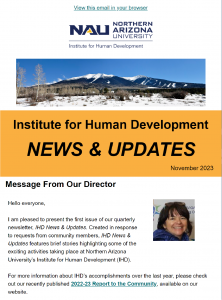
Click here to see past editions of the Institute for Human Development’s News and Updates
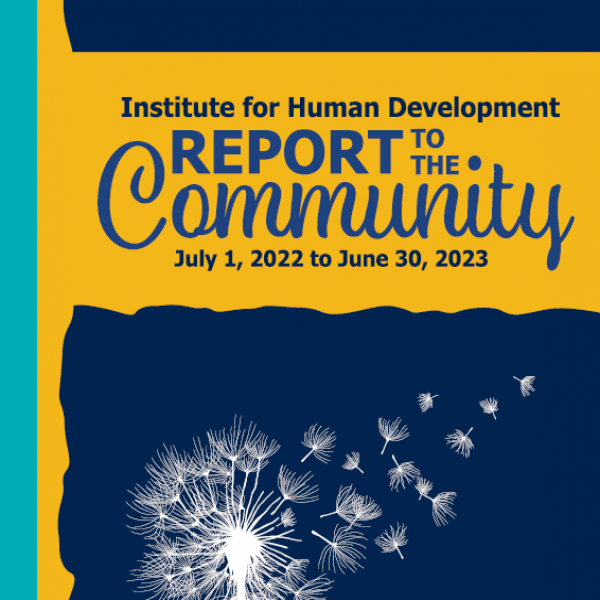 IHD’s 2022-2023 Report to the Community Click to read IHD’s 2021-2022 Report to the Community annual report.
 Parents, family members, or professionals in the field, do you need information on an AAC Evaluation? Go to the NAU AAC Evaluation Page for program and contact information.

Institute for Human Development PSA
AUCD: Growing Leaders, Driving Change
Website Feedback Form
This website is supported by the Administration for Community Living (ACL), U.S. Department of Health and Human Services (HHS) as part of a financial assistance award totaling $673,700 with 100 percent funding by ACL/HHS. The contents are those of the author(s) and do not necessarily represent the official views of, nor an endorsement by, ACL/HHS or the U.S. Government.