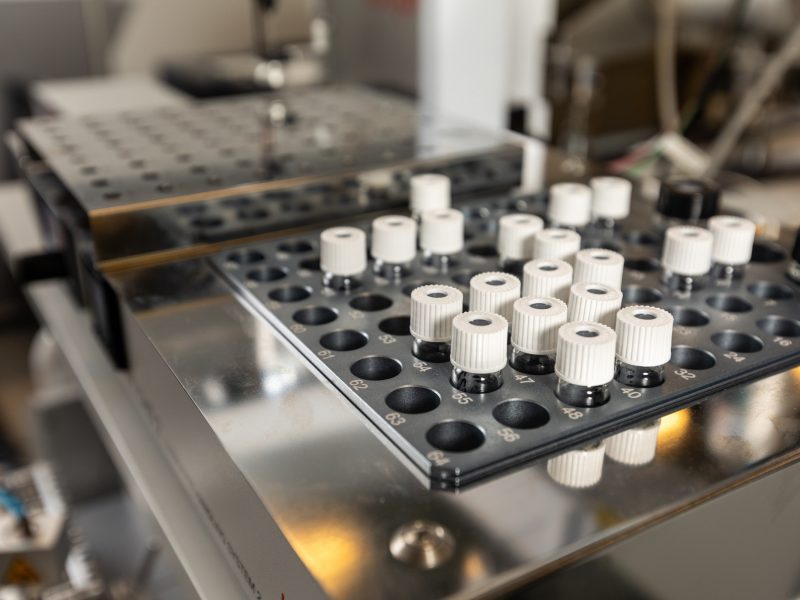
At NAU, we’ve always been a part of the world and a partner to it—starting in Flagstaff, a city that prizes innovation. Widely recognized for its research, NAU has built a reputation for scientific discovery and the invention of new technologies.

Office of the Vice President for Research
The Office of the Vice President for Research provides leadership and support for campus-wide research efforts, advocates on behalf of research needs and resources, hosts research events, and maximizes the benefits of NAU’s research to the scholarly community.

Explore NAU’s research enterprise
Find out more about who we are: our research strengths, where we conduct research, the impact we have on the region and the world, and how our research is funded.


Knowledge note
According to the Carnegie Classification of Institutions of Higher Education® , NAU is classified as “R2: Doctoral Universities – Higher Research Activity.”